Surviving Menstruation
- Ose O
- Jun 11, 2021
- 4 min read
Updated: Apr 6, 2025
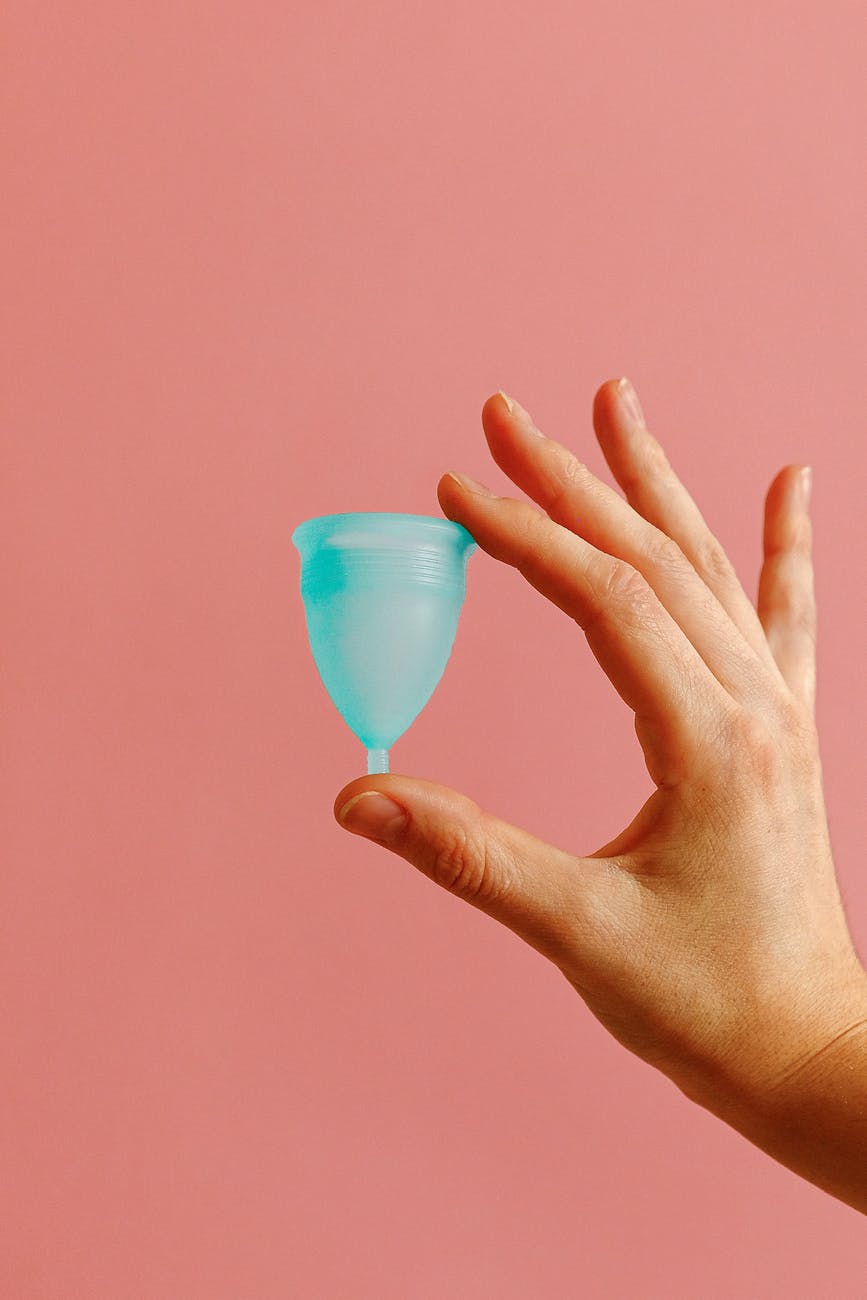
"When she bleeds, the smells I know change colour. There is iron in her soul on those days. She smells like a gun."
Once a month, our uterus does its monthly ritual signifying that we are once again free from being an incubation vessel for a human child. The uterus is so flexible that it can stretch from the size of a small orange to that of a huge watermelon. Some might say the menstrual cycle is intrinsically linked to the cycles of the earth, moon and sun.
The topic of menstrual hygiene has been taboo for a larger part of known history and that stigma is still rampant in some parts of the world. Period poverty affects millions of women worldwide. Menstrual hygiene products such as sanitary pads, tampons, menstrual cups, etc. should be available to all girls and women.
As we do our best to collectively address these issues, we can all use some tips to help ease the journey of our monthly visitor.
Hot Water Bottle
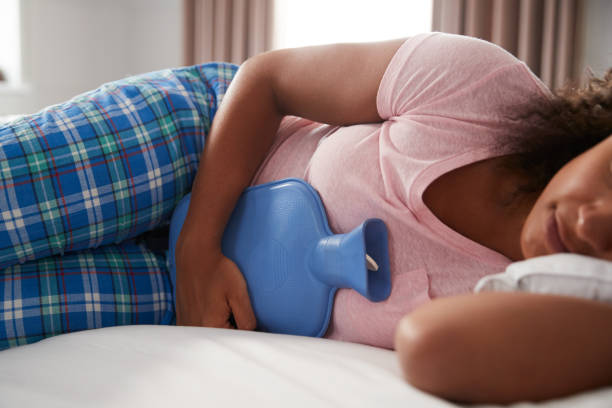
Applying heat to the lower abdomen during menstrual cramps is common knowledge that has been passed down by generations of women and girls. A 2004 study found -that continuous, low-level, topical heat therapy was superior to Paracetamol (known as Acetaminophen in the US) for the treatment of dysmenorrhea (medical term for menstrual cramps). It works by relaxing the uterine muscles, increasing blood circulation and easing pain. Research also shows that it can cause less fatigue and mood swings. Heat patches and electric heating pads will also get the job done.
Yoga
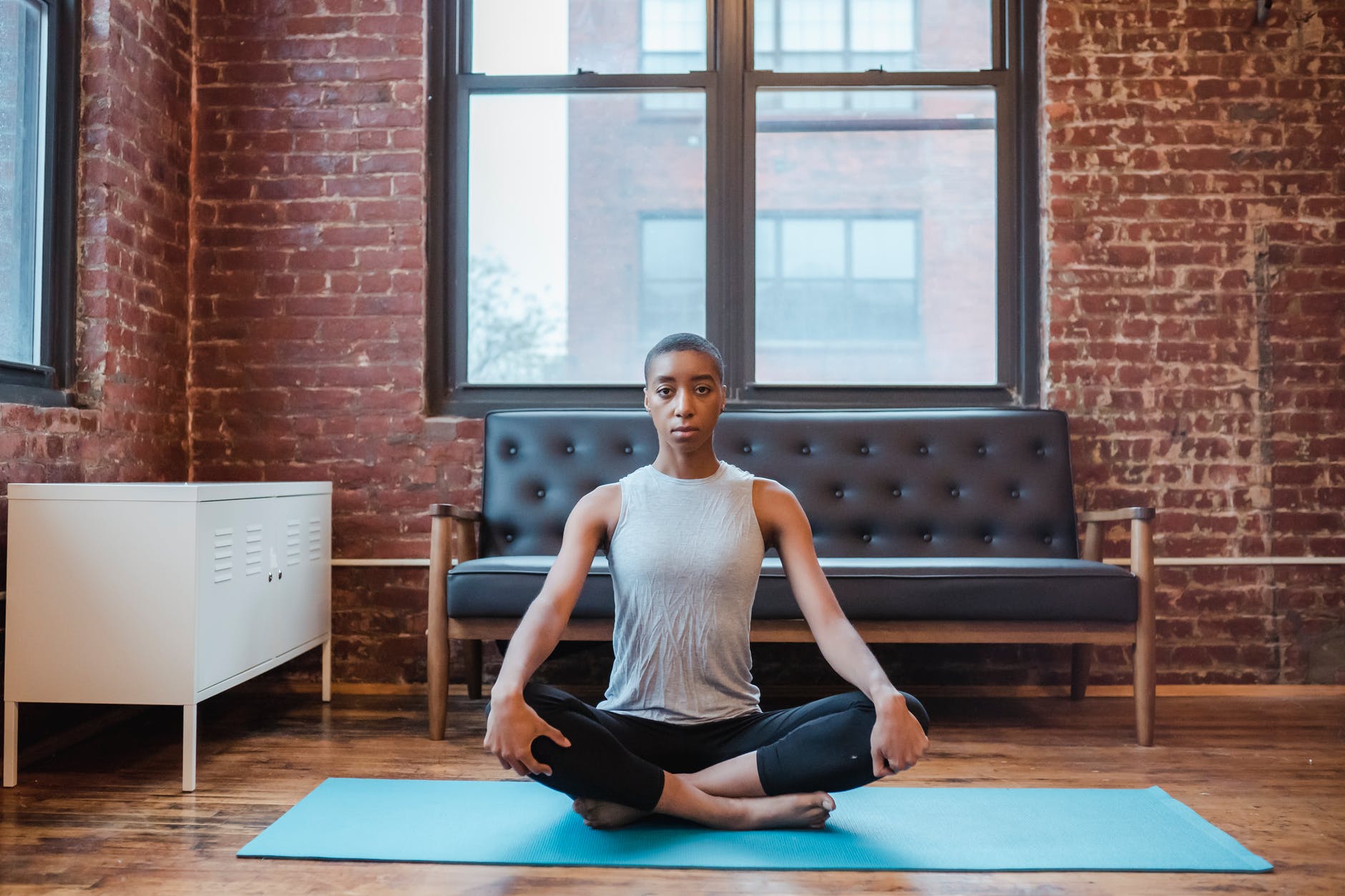
There is decreased blood flow to the pelvis and uterus during our periods, which causes pain and discomfort. Exercise is a good way to increase blood flow and release cheerful endorphins. A study of forty undergraduate students found that yoga interventions may reduce menstrual cramps and distress. Findings from this study also suggest that long-term yoga practice led to a reduction in period pain. Several yoga poses have been shown to reduce the severity and duration of menstrual pain, such as cobra, cat and fish poses.
Magnesium and Vitamin B6
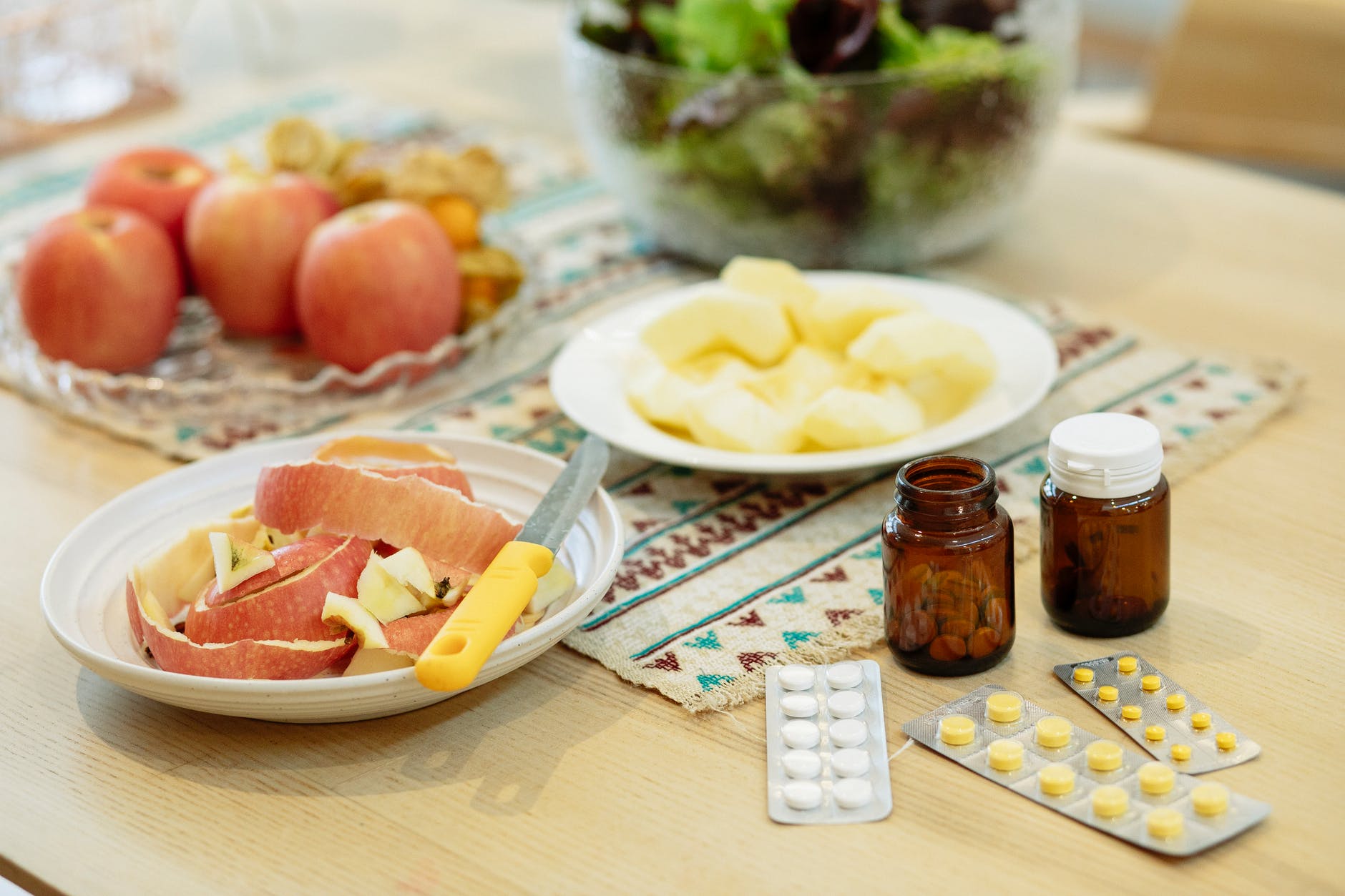
Taking your vitamins and materials regularly will improve your overall health. Two of these in particular are well documented to improve menstrual health.
Magnesium deficiency increases the contractility of smooth muscles and the levels of prostaglandins, both of which are inflammatory compounds that drive period pain. Magnesium is thought to calm the nervous system. Therefore, it is great for relieving headaches and mood symptoms of pre-menstrual syndrome (PMS). Research demonstrated that regular intake of Magnesium was effective in reducing PMS symptoms. Dietary sources of Magnesium are leafy greem vegetables like kale, spinach, asparagus and arugula and nuts like cashew, almonds and walnuts.
Estrogen is an important factor in the cause of menstrual pain and PMS symptoms, as well as reproductive disorders such as endometriosis, fibroids and adenomyosis. Vitamin B6 aids in the production of progesterone and supports estrogen-progesterone balance. One study shows that daily intake of Vitamin B6 leads to a reduction in emotional symptoms of PMS, such as depression, irritability and tiredness, but does not have the same effect on physical symptoms. Dietary sources of Vitamin B6 are brown rice, wheat germ, bran, fortified cereals, lentils and sunflower seeds. Several studies have shown that a daily intake of both is more effective in reducing PMS symptoms than a daily intake of either Magnesium or Vitamin B6 alone. Talk to your healthcare provider about these supplements.
Red Raspberry Leaf Tea
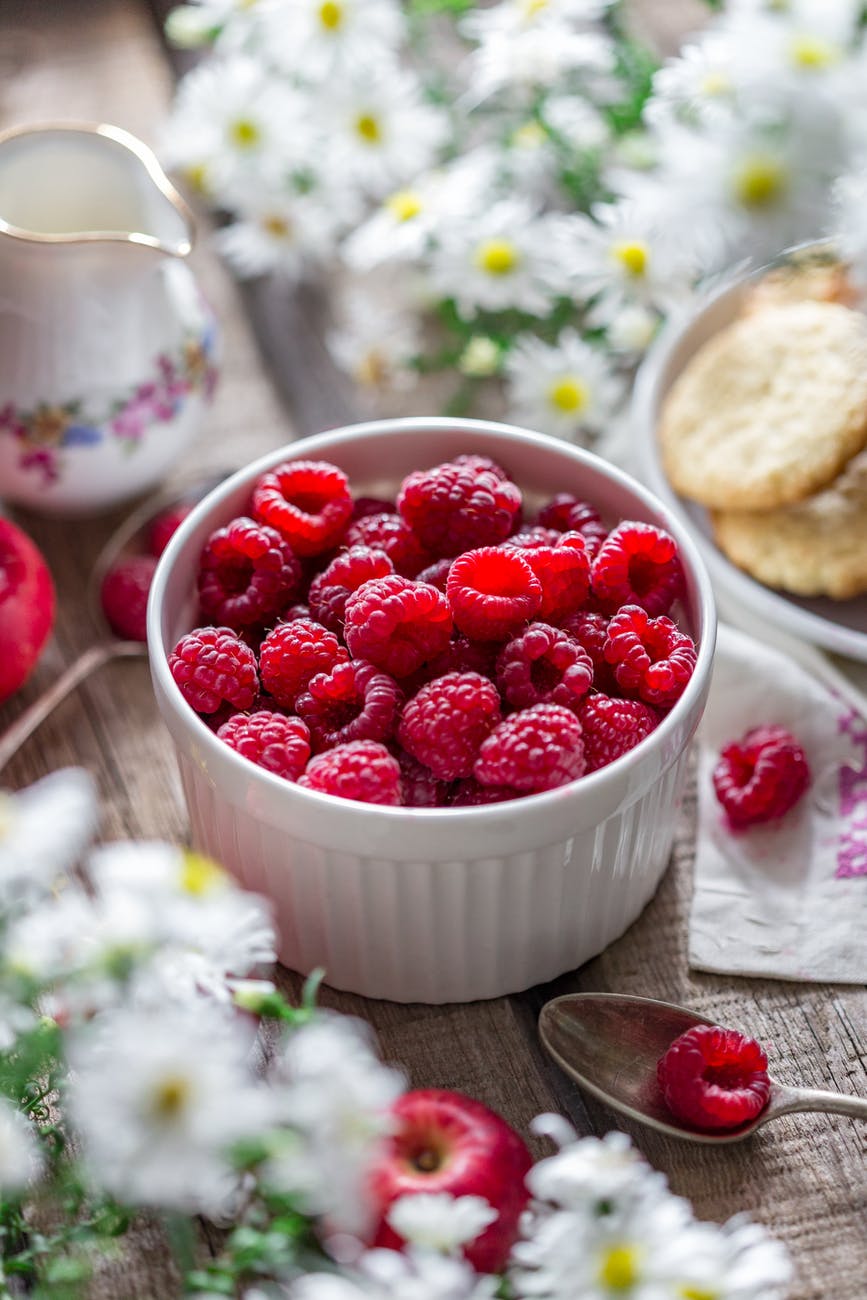
Rubus idaeus, popularly known as red raspberry, is a plant native to Europe and some parts of Asia. It has been used for centuries to treat various health ailments. It is especially beneficial to women and is even referred to as the ‘woman’s herb’. Research has shown that the leaves help relieve premenstrual symptoms such as cramps, diarrhoea, nausea and vomiting.
Red raspberry leaves contain fragarine, which is a plant compound that helps to tone and tighten pelvic muscles. This reduces menstrual cramps caused by muscle spasms. There is presently no definite recommendation on the quantity to take. I start by drinking a cup or two daily for 2 or 3 days before my period comes, and when my period arrives I drink it whenever I feel like it. This is what works for me. Feel free to adjust it however you want.
Orgasms
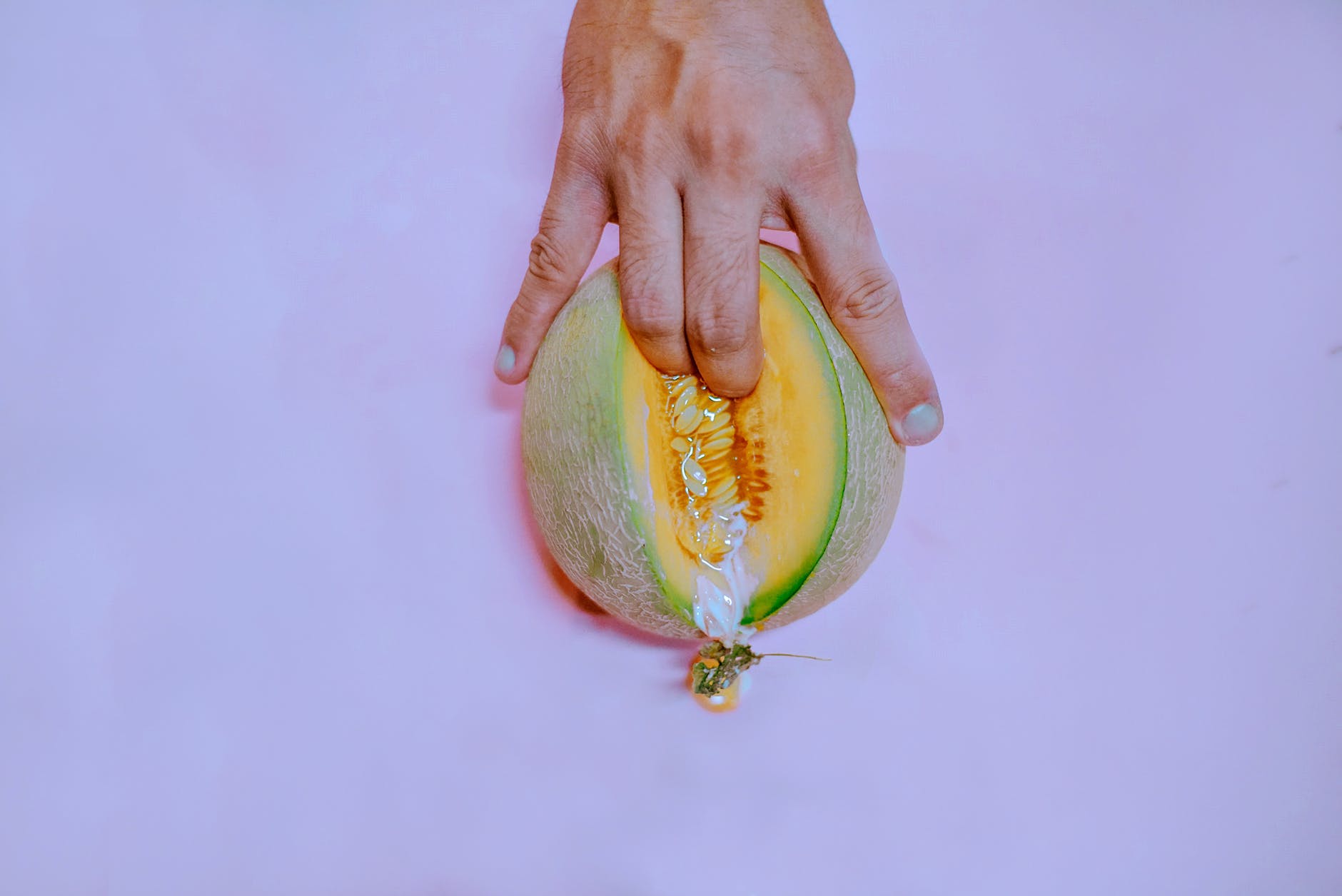
Sexual activity during menstruation is generally opposed. There is nothing wrong with getting it on during your period, whether it is through vaginal sex or masturbation. It will even help relieve menstrual cramps. That is because having an orgasm increases blood flow to the uterus and triggers a release of feel-good hormones like dopamine and serotonin.
One study showed that vaginal self-stimulation decreases pain sensitivity. Orgasms also lead to better sleep and help boost your mood. However, if you and your partner decide to have vaginal sex, make sure to use a condom as any ejaculation on the cervix could lead to an inflammatory response and make your cramps even worse.
Comments